1,360 Influencer marketing focused platforms and agencies entered the market in the last 5 years alone. (Influencer Marketing Hub)
93% of marketers use influencer marketing. (SocialPubli)
The influencer marketing industry is set to hit $15 billion by 2022. (Business Insider)
The top 3 most important influencer marketing channels: Instagram, Instagram Stories, and TikTok. (Linqia)
70% of Instagram Stories are watched with sound. (MediaKix)
86% of marketers place raising brand awareness as one of their top three objectives of influencer marketing campaigns. (World Federation of Advertisers)
8 out of 10 consumers have purchased something after having seen it as a recommendation by an influencer. (Rakuten Marketing)
25% of all sponsored posts on Instagram are fashion-related. (InfluencerDB)
66% of brands are expected to increase their influencer marketing budgets. (Adello)
30% of the influencers’ audience watches their videos for the sake of promo codes. (Adello)
Businesses are making $5.78 ROI for every $1 spent on influencer marketing. (Influencer Marketing Hub)
The ROI on influencer marketing is 11x more than banner ads. (Convince and Convert Study)
40% of millennials feel that social media influencers know them better than their friends. (Google Study)
70% of teens on YouTube trust content creators on YouTube more than celebrities. (Google Study)
Snapchat is the least popular social media platform for influencer marketing. (MediaKix)
Snapchat influencers are posting 2X more content on Instagram Stories than their native app. (MediaKix)
19% of marketers expected to invest an average of $1,000-$10,000 followed by 18% spending $100,000 to $500,000 in multifaceted campaigns. (MediaKix)
66% of Baby Boomers who engage with brands on social are looking for promotions. (Sprout Social)
61% of consumers interact with an influencer at least once a day. (Rakuten Marketing)
Let’s talk budget… not the most popular aspect, but hopefully we can bring some clarification and light to the budget topic.
Unfortunately, there isn’t a hard and fast rule to pricing the work of Influencers. We compare pricing everyday and as soon as we feel like we know what someone is going to come back with, we’re proven wrong! The great news, often times Influencers are flexible! If their pricing is near yours, let them know and most of the time they’ll be willing to work within your budget!
Factors that impact pricing:
Platform
The social media platform chosen for the campaign is one of the key factors that influence the cost. Instagram tends to be the top choice for social media influencer marketing. The specific platforms you’d like the content to be shared on will impact the price. It could just be a blog post, or just an Instagram post. Or a blog post amplified across all social platforms. The more reach, or platforms, the higher the price.
Following
The number of followers is still the gold standard for a social media star’s ‘influence’, so the higher the follower count the higher the price tag. We recommend turning to Pinterest for supplementary reach because well-performing accounts typically have high monthly views AND pins drive direct traffic back to blog posts, whereas influencer Instagram posts don’t.
Engagement
Engagement is one of the alternative metrics that brands have been using. The more positive engagement a post gets, the more people will see the post. Influencers who have higher engagement rate are more likely to have a greater reach. The higher the engagement rate the influencer gets, the more expensive the campaign will be.
Product
While this isn’t too much of a determining factor in our industry, the more expensive your product is, the more expensive the campaign will be.
Campaign
The extent of the campaign will also affect the cost. Here are some things to consider:
How many posts do you want from the influencer?
Who creates the content? You or the influencer?
Do you want the influencer to keep the post on their profile permanently? (Some influencers delete their sponsored posts after the campaign.)
Simply put, the more work the influencer has to do, the more expensive the campaign will be.
As we’ve mentioned previously, the goal and intent of your influencer will drastically affect your pricing. If you have a specific goal in mind, but aren’t sure what you should be setting your budget at, feel free to reach out and we’d be happy to help!
When people are shopping for something, a personal reference or a word-of-mouth recommendation is instantly more credible than an advertisement. Influencers earn that credibility.
Generate buzz for your brand
Influencers are trend spotters and sharers. Their followers are expecting to be introduced to what’s “in”and what’s “new”. By aligning your brand with a trendsetting influencer, you position your brand as an innovative leader. Often, once we post content from an Influencer on behalf of one of the brands we work with, we get messages from other influencers and recipe developers on social media requesting potential partnerships. This interest further proves the value of influencer partners to reach larger audiences.
Drives purchasing decisions
Depending on how you distribute your products, influencers can be beneficial in driving sales. In fact, more influencer campaigns today are aimed at driving tangible sales, which can be clearly tracked using custom links, landing pages and redemption codes. If you leverage Influencers in this capacity, we’d love to hear how!
More authentic than a banner ad
Audiences tend to be more receptive to third-party posts, like those from influencers, over standard ad placements. Influencer marketing places your brand/product where audiences notice it – in authentic “user-generated” content.
Reaches audiences where they are
We know, from our State of Social Media Marketing Matters presentation, that people spend an average of three hours on social media each day. When influencers promote a product or brand in their content, it allows for your brand to connect with audiences where they are – on social media.
High ROI
In a study by MediaKix89% say ROI from influencer marketing is comparable to or better than other marketing channels. If you have high performing social media advertising, just imagine what results you’ll see with influencer marketing.
First it was celebrity endorsements, now it’s influencer marketing. This concept has been around since at least the 1930s, when Babe Ruth promoted Red Rock Cola. So what caused the shift from traditional celebrity endorsements to influencer marketing? Social media.
Social media has provided platforms for non-celebrity to develop voices of influence.
Influencer defined: According to Tribe, “an influencer is someone who promotes brands to their social media followers on channels such as Instagram, Facebook and TikTok. It even translates to other platforms like Twitter and as of late, LinkedIn.” This is a pretty broad definition, and there are more defined categories that further define influencers.
Categories based on Follower Size:
Celebrity Influencers have followings of 1 million + and in turn can request tens of thousands of dollars for a single post.
Macro Influencers have between 100k and 1 million followers and still have considerable reach.
Micro Influencers have between 3k and 100k followers and are considered the most authentic influencer type.
Selecting which influencer type to use depends on your goals and desired outcomes. How much reach and engagement do you want? What tone do you want your message to send – celebrity-backed or authentic? What is your budget? Once you have answers to all of these questions, then you can determine which partner is best.
In theory, the way you measure success should align with your desired outcomes in hiring an influencer partner. If brand awareness and impressions are your only goal, don’t spend too much time analyzing the engagement rate. If sales or website visits are the main focus, then having a goal to measure and check in on will be telling for your success.
Before choosing your influencer partners, you first need to define your desired outcomes. These outcomes not only dictate the scope of work, the budget, and the overall success of the partnership, but ultimately guide your decision on who you want to work with. However, ROI can look different for each brand depending on their goals.
MarTech is a discussion topic in every Influencer Webinar – what should we use and is it worth it?
trending Tech Solutions for Influencer Marketing:
Tribe
TRIBE is a platform that helps brands source quality branded influencer-generated content. According to TRIBE, “Creators have crafted 1,000,000+ pieces of drool-worthy, branded content.”
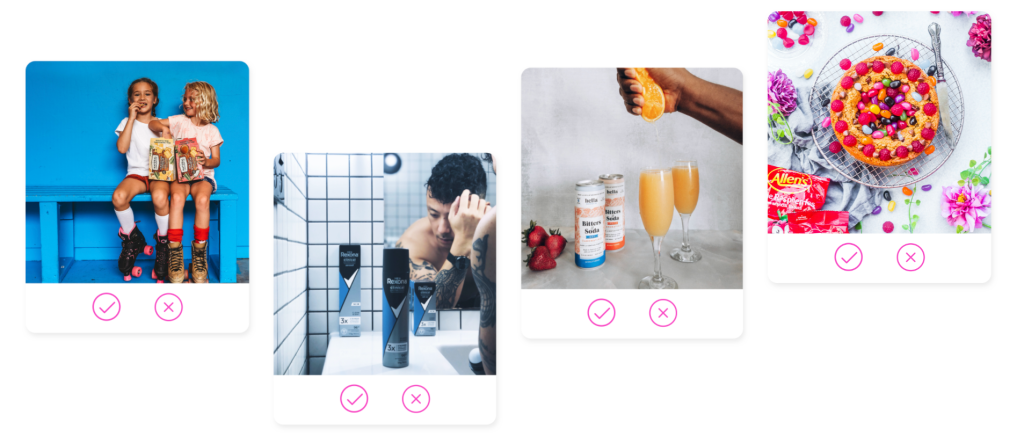
Brands draft a brief in under 10 minutes with the Campaign Builder tool, then influencers will start creating content on behalf of the brand. Brands will then review and approve their favorite content, and the influencers will get notified to publish their content. TRIBE has an in-platform analytics tool so brands can view realtime results of the influencer content. A great feature is that brands can purchase the rights on the best-performing content and reshare it on their platforms. It’s like test-driving UGC before buying!
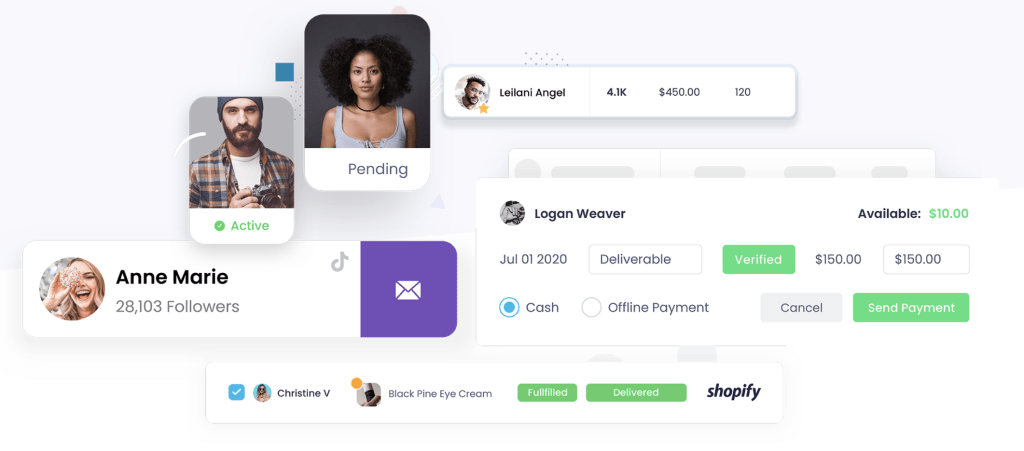
Touting “the industry’s most complete database,” CreatorIQ has access to “every public creator profile in the world.” Their platform empowers brands to discover creators as well as create “streamline[d] end-to-end workflows, and drive meaningful measurement.” Their tools include an influencer search engine, the ability to create a creator network (CRM), campaign management workflows, reporting dashboards and API integration.
This professional network is “designed for influencers and creators.” In other words, Influence.co is the LinkedIn of the influencer industry. They tout over 300,000 members who use the platform to make money, meet people and learn things. Unlike most influencer martech platforms, Influence.co is geared towards influencers – it helps them turn their passion into a business with a variety of ways to monetize their influence.
In addition they have a ton of helpful resources like their Influencer Rate Map – which shows how much influencers should charge based on their industry.















 The Influencer Strategist